By Rolli Canolli (WFTDI Wellness)
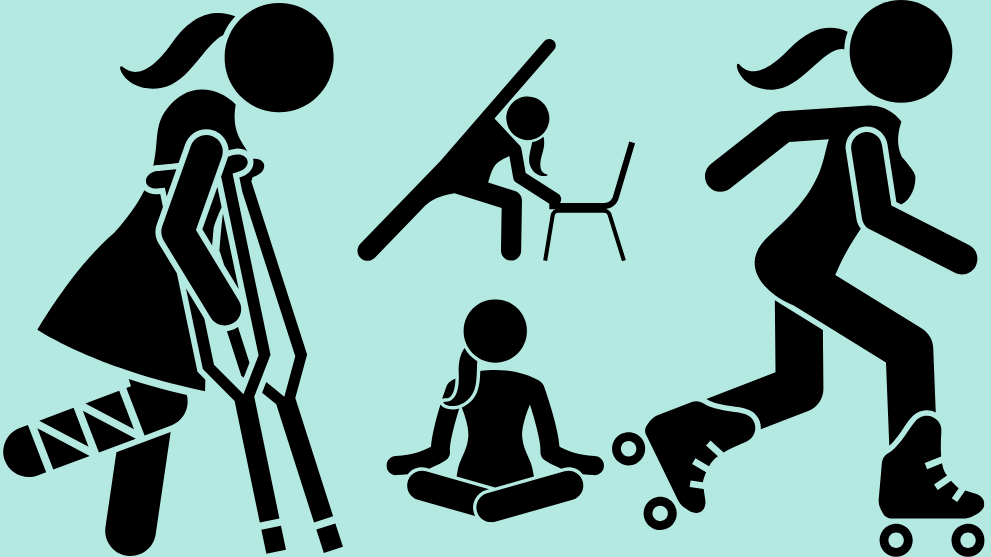
In roller derby, getting hurt isn’t a matter of if, it’s when. Falls happen. Hits happen. Bodies collide at high speed, often in awkward positions, on a surface that does not forgive mistakes. What matters most isn’t avoiding injury altogether, but how you come back from it.
Returning to play too early can turn a minor injury into a season-ender. Waiting too long can mess with confidence, conditioning, and mental readiness. The sweet spot lives somewhere in the middle and finding it takes intention.
Healing Isn’t Linear (And That’s Normal)
One of the hardest parts of returning to derby is accepting that recovery doesn’t move in a straight line. You might feel great one week and stiff, sore, or unsure the next. That doesn’t mean you’re failing rehab, it means your body is adapting.
Pain levels fluctuate. Swelling comes and goes. Confidence can lag behind physical readiness. All of this is normal, especially in a sport that demands quick direction changes, force absorption, and trust in your body under pressure.
“I Can Skate” Isn’t the Same as “I’m Ready”
Being able to skate laps without pain is an important milestone but it’s not the finish line.
Derby asks more of your body than straight-line skating:
- Can you absorb contact?
- Can you brace and counterforce?
- Can you react quickly when something unexpected happens?
- Can you fall safely again without hesitation?
Return-to-play should rebuild strength, stability, endurance, and confidence, not just movement.
The Mental Side Matters More Than We Admit
Fear of re-injury is real, and ignoring it doesn’t make it go away. Many skaters come back physically cleared but mentally guarded, pulling out of hits or hesitating in packs. That hesitation actually raises injury risk.
Confidence comes from progressive exposure:
- controlled drills
- predictable contact
- gradual increases in intensity
- re-learning trust in your body
You don’t need to “push through” fear — you need to work with it.
Communication Is Part of Recovery
Returning safely means staying honest:
- with your medical provider
- with your coaches
- with yourself
If something feels off, speak up. If you’re compensating, acknowledge it. Derby culture values toughness but longevity comes from awareness, not silence.
A Smart Return Is a Strong Return
The goal isn’t just to get back on skates, it’s to come back stronger, more resilient, and better prepared than before. Rehab is an opportunity to address imbalances, build stability, and refine movement patterns that protect you long-term.
Roller derby careers aren’t built on rushing the process. They’re built on respecting it.
Your body has already done something incredible by healing. Let it finish the job.
***IMPORTANT! Your doctor or medical provider should be guiding your return-to-play timeline. If you’re returning from a concussion, you should follow Return to Play Protocol described in the WFTDA Risk Management Guidelines [Read more: WFTDA Concussion Resources]